Wetlands Conservation
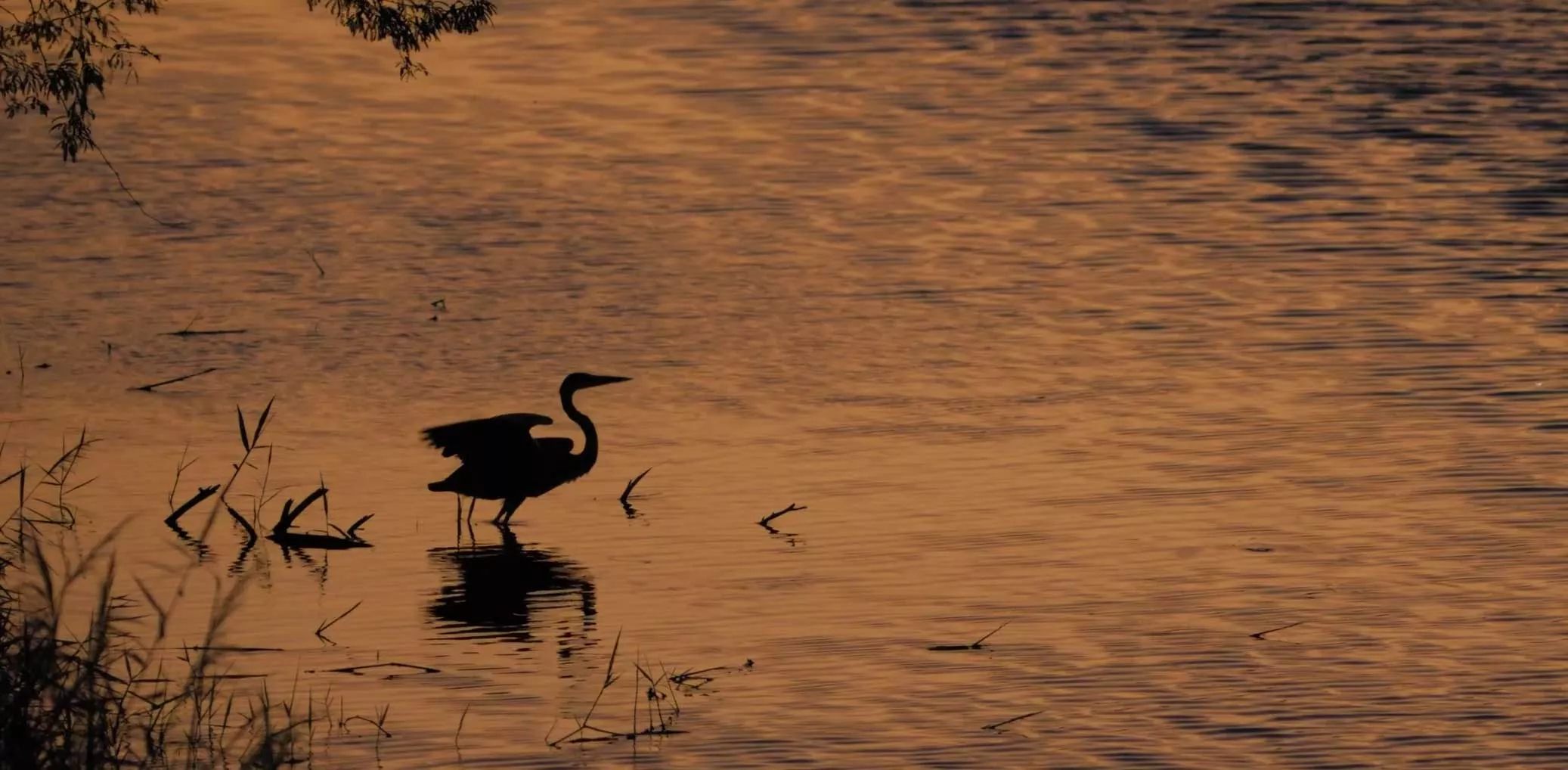
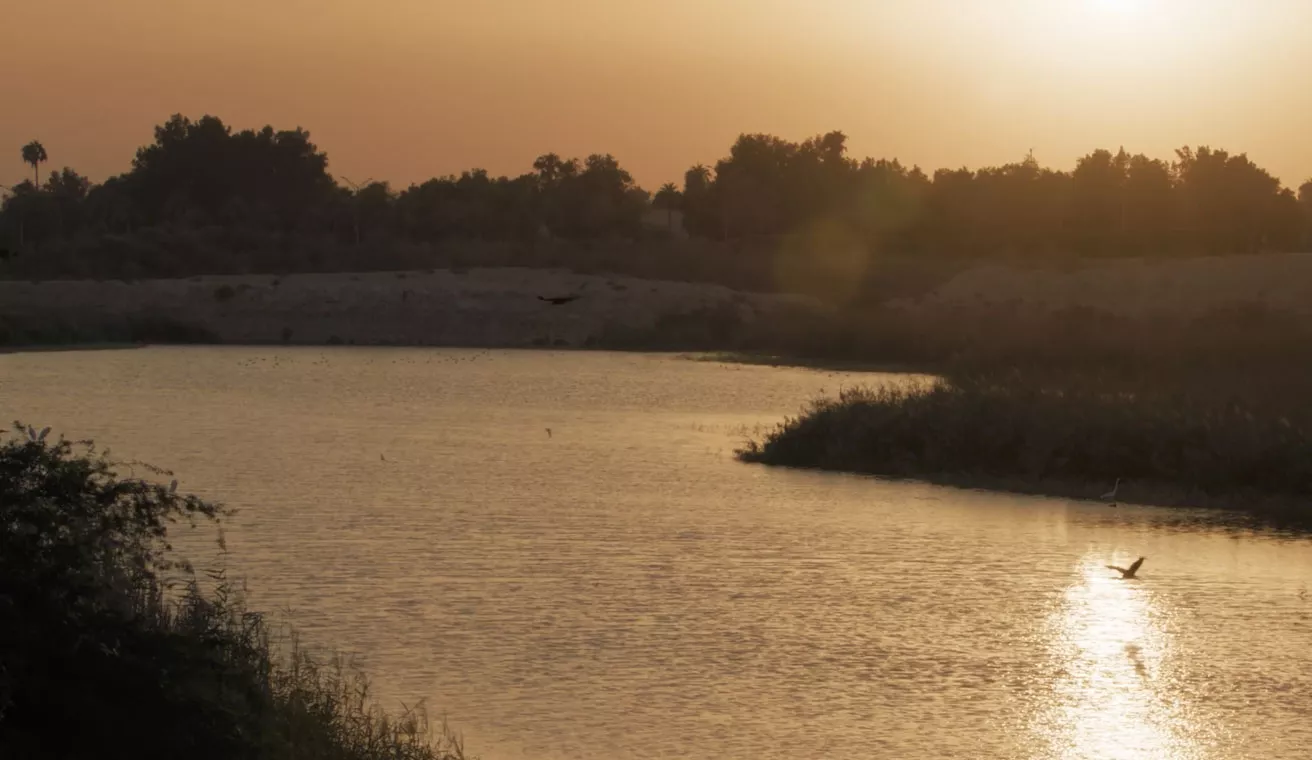
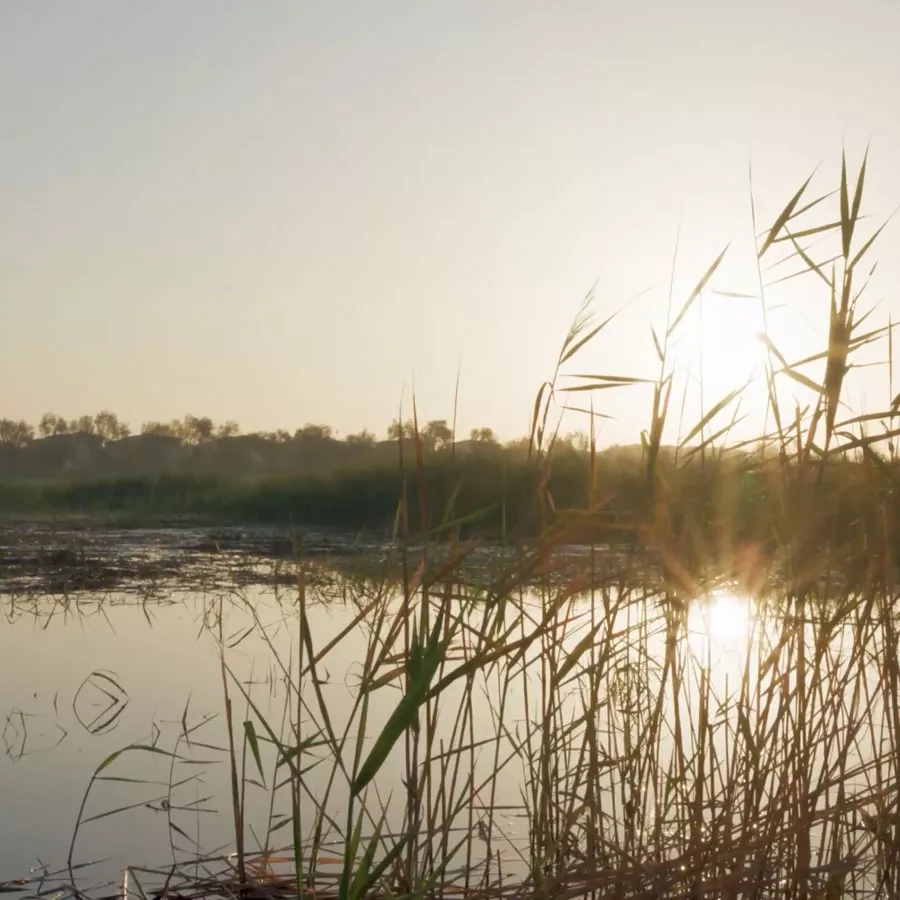
Wetlands are among the world’s most valuable ecosystems, supporting biodiversity, helping improve water quality, and providing many other essential ecosystem services. In arid regions such as Saudi Arabia, wetlands play an especially important role by providing critical habitat for wildlife, supporting migratory bird populations, helping stabilize soils and reduce dust storms, as well as contributing to groundwater replenishment.
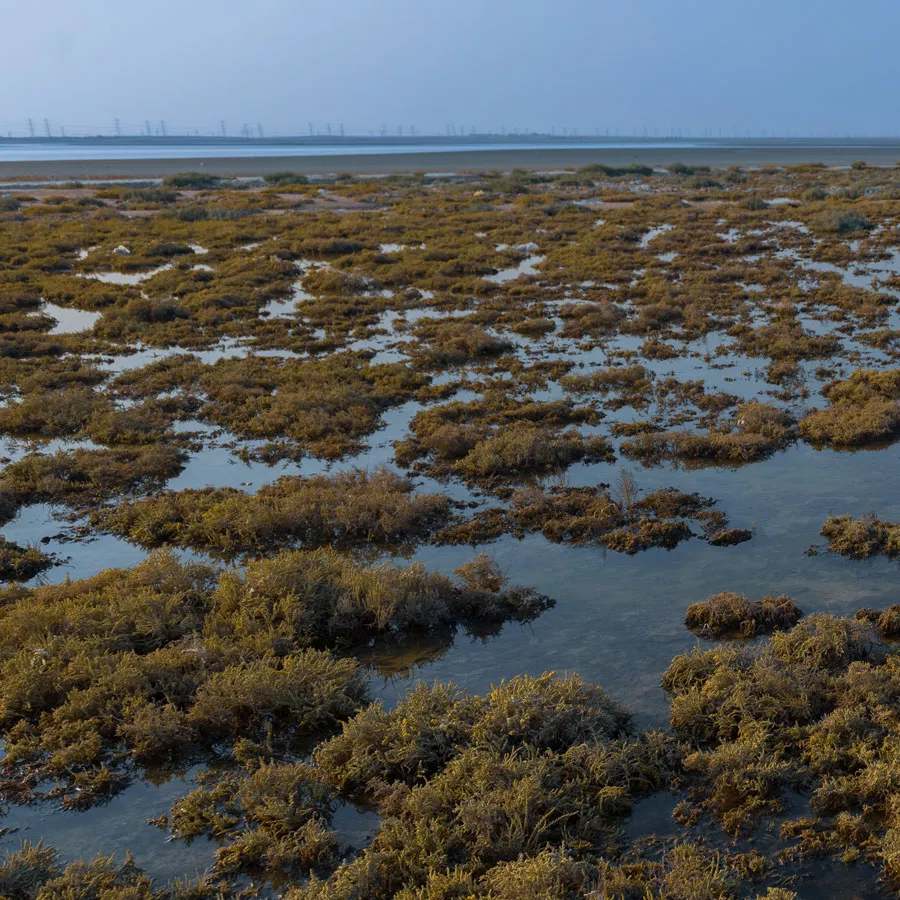
What are wetlands?
According to the Ramsar Convention, wetlands are defined as:
“Areas of marsh, fen, peatland, or water, whether natural or artificial, permanent or temporary, with water that is static or flowing, fresh, brackish, or salt, including areas of marine water the depth of which at low tide does not exceed six meters.”
This definition includes both naturally occurring and constructed wetlands. These ecosystems support diverse species of plants, mammals, birds, reptiles, amphibians, fish, and invertebrates, while also delivering important environmental services such as water filtration, flood mitigation, shoreline protection, and carbon sequestration.
Conserving our wetlands
At Aramco, we recognize the ecological significance of wetlands and are working to conserve, restore, and responsibly manage wetlands across our operational areas.
In 2022, we identified wetlands conservation as a strategic priority. This led to the development of our Wetlands Program, which focuses on the restoration and protection of natural and semi-natural wetlands across our operational and reservation areas.
As part of the initiative, that same year we conducted a company-wide assessment to identify wetlands across our operational and reservation areas inside Saudi Arabia, including marshes, lagoons, ponds, lakes, and oases. From these, the highest-priority wetlands located on company-managed lands were evaluated for protection under our wider biodiversity program for official designation as Biodiversity Protection Areas (BPAs). Hence, Aramco designated 22 wetlands as company BPAs by 2025.
Wetlands as a wildlife refuge
As of 2026, wetlands conservation is embedded within our wider BPA framework, a central part of our biodiversity conservation efforts, which supports the protection of terrestrial and marine ecosystems across Saudi Arabia. Each of the wetlands within our BPAs network is considered ecologically important for the rich diversity of species and habitats they support. They also serve as essential stopover points for migratory birds, including several species that are classified as Threatened (Vulnerable, Endangered, and Critically Endangered) or Near Threatened on the International Union for Nature Conservation’s (IUCN) Red List.
Between 2012 and 2025, multiple surveys have documented 443 species across our designated wetlands. Of these recorded species, 24 are on the IUCN Red List (13 Near Threatened, 9 Vulnerable, and 2 Endangered). They span a diverse ecological range, including native flora, resident and migratory birds, reptiles, small mammals, and marine organisms.
This content is blocked
You need to give permission.