
Biodiversity Protection Areas: spaces for nature to recover and thrive
How Aramco’s Biodiversity Protection Areas are helping support ecosystem recovery.

- Aramco’s Biodiversity Protection Areas (BPAs) are designated sites that enable ecosystems and species to recover and thrive through active management and restoration
- BPAs play a key role in protecting habitats, supporting species recovery, and advancing scientific understanding of Saudi Arabia’s diverse environments
- The expansion of BPAs aligns with global and national sustainability initiatives, helping safeguard the Kingdom’s natural heritage for future generations
From the vast deserts of the Rub’ Al-Khali to the mangrove-lined Arabian Gulf coast, Saudi Arabia is home to a remarkable range of ecosystems. These environments support a diverse array of wildlife, such as gazelles navigating dunes, coral reefs swarming with marine life, and migratory birds resting along coastal wetlands during long journeys across continents.
As ecosystems and habitats decline, biodiversity — the interconnectedness of all forms of life on our planet — is at risk. Safeguarding this natural heritage is therefore essential.
At Aramco, our biodiversity preservation efforts include protecting and restoring natural ecosystems. Central to these efforts is our growing network of Biodiversity Protection Areas (BPAs): designated sites where specific measures are implemented to allow nature to recover and regenerate. Understanding what BPAs are, their importance, and their impact on ecological resilience is important to set the context for our initiatives in this area.
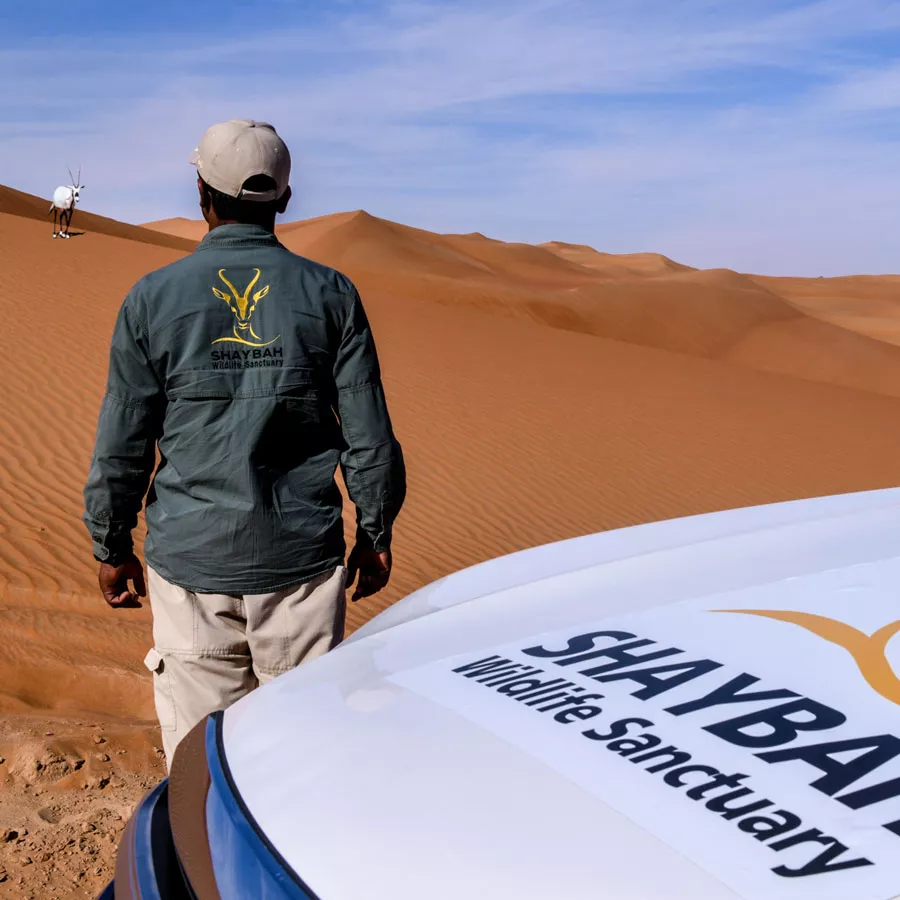
Field surveys documenting local habitats and species.
What is a Biodiversity Protection Area?
A BPA is a clearly defined geographic space that is managed to conserve nature. According to the International Union for Conservation of Nature (IUCN), protected areas are, “recognized, dedicated, and managed through legal or other effective means to achieve the long-term conservation of nature with associated ecosystem services and cultural values.”
In practice, BPAs are not just restricted access areas. They are actively managed to balance conservation with responsible human activity. Management includes habitat restoration, species monitoring, regulated access, scientific research, and long-term planning to maintain healthy and resilient ecosystems.
Why Biodiversity Protection Areas matter
Biodiversity underpins ecosystem stability and provides essential services people depend on — such as water supply and food production. When ecosystems deteriorate, these services decline, increasing vulnerability for both nature and communities.
Well-managed BPAs provide several ecological benefits:
- Habitat conservation: BPAs protect habitats from fragmentation and degradation, allowing species to complete their life cycles without undue disturbance.
- Species recovery: By reducing pressures such as overgrazing, hunting, or habitat loss, BPAs create conditions for rare and threatened species to survive.
- Scientific understanding: Protected areas can serve as living laboratories, supporting long-term monitoring and research that helps inform better environmental management.
This content is blocked
You need to give permission.
Our approach to biodiversity protection
At Aramco, we strive to embed biodiversity conservation both in our operations and in our environmental planning. We aim to protect local biodiversity in areas where we operate and carry out restoration initiatives to benefit the surrounding communities. We use a mitigation hierarchy as a sequential approach to environmental management: first, we aim to avoid impacts, then reduce, restore/rehabilitate, and, only as a last resort, implement offsets or compensation for residual impacts.
Our BPAs are central to our biodiversity conservation efforts, supporting the protection of terrestrial and marine ecosystems across Saudi Arabia. We continue to expand our portfolio of BPAs, which are designated based on clearly defined criteria such as ecological significance, habitat value, and long-term management viability, supported by mapped boundaries and documented justification. The procedure helps ensure consistency across various ecosystems by applying a standardized evaluation framework and evidence-based criteria to all sites, regardless of ecological diversity or habitat type.
In 2024, we doubled our existing network of BPAs from 14 to 28 within one year. As of May 2026, we manage 35 designated BPAs across diverse terrains, including deserts, highlands, coastlines, and marine environments. While each site has unique ecological characteristics, all of them are guided by the same goal: supporting biodiversity alongside responsible development.
Before launching new projects, we conduct comprehensive biodiversity surveys using a risk-based approach that reflects the nature and location of the proposed activity. The surveys document existing plant and animal species, identify sensitive or protected habitats, and include field assessments and mapping based on recognized scientific methods. The scope and findings are reviewed and approved through our environmental governance process to help ensure impacts are identified early on with the aim of addressing them through proper avoidance, mitigation, restoration, and regulatory alignment.
Furthermore, in accordance with international best practice, we avoid operating in designated UNESCO World Heritage Sites and strive to apply avoidance and mitigation measures in other areas of high biodiversity value, including strict nature reserves or wilderness areas (as classified by the IUCN), to reduce potential negative impacts on biodiversity and ecosystem services.

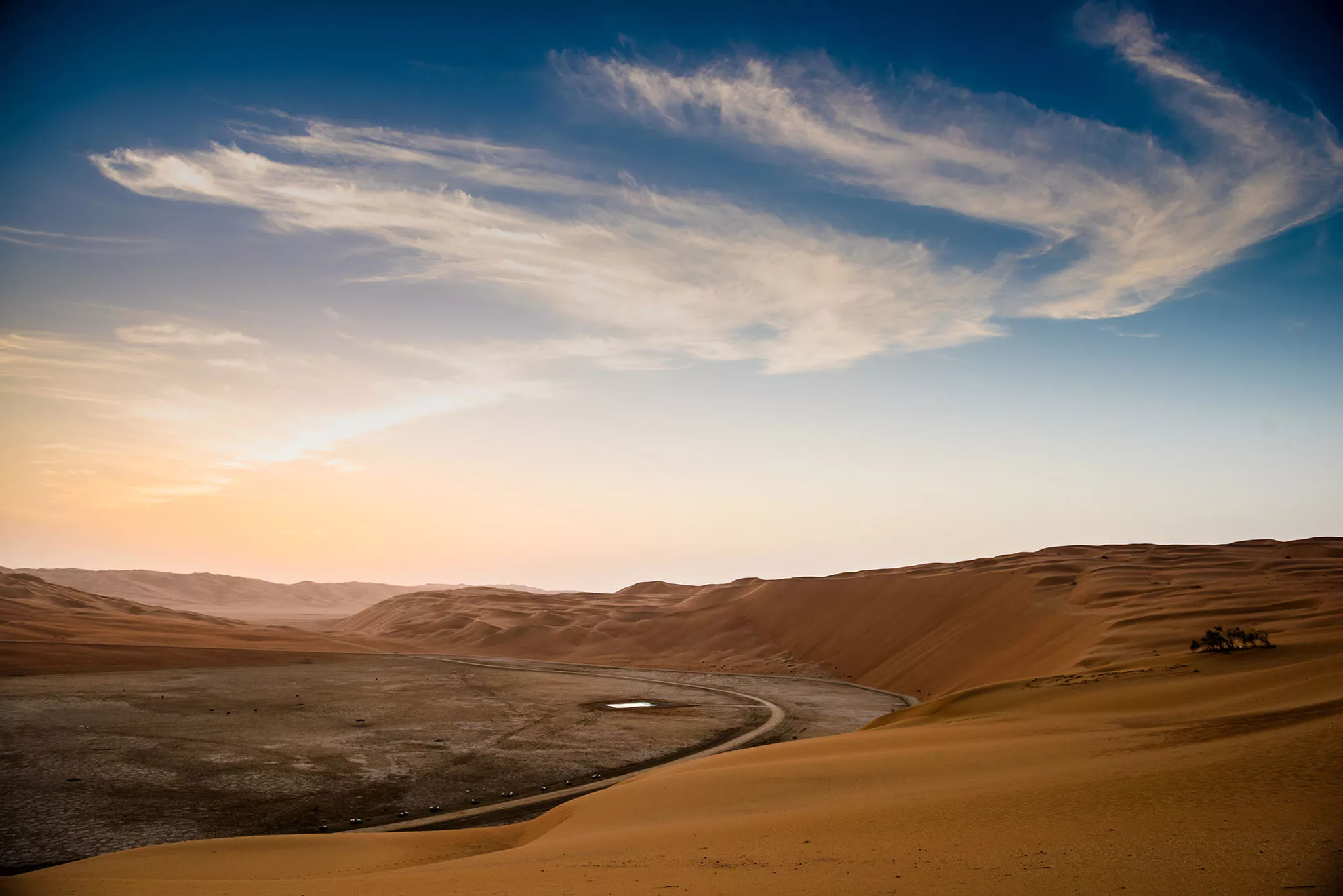
Sand dunes within a designated Biodiversity Protection Area.
Rocky highland landscape under conservation management.
Coastal wetland landscape within a protected area.
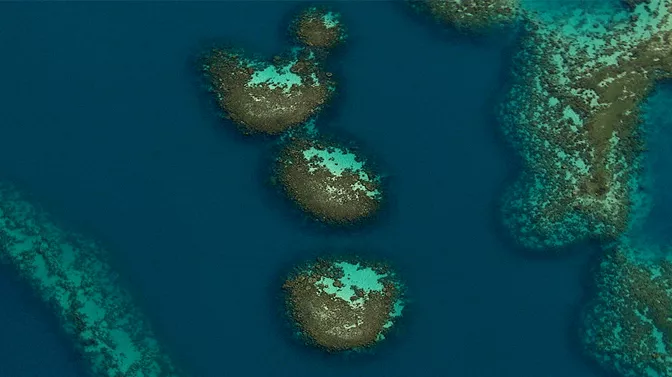
Coastal reserve in Manifa.
Science as the foundation
Scientific understanding plays an important role in shaping our biodiversity efforts. Our scientists and environmental specialists have developed methods to assess ecological sensitivity and prioritize conservation actions with the greatest impact.
This includes a species-ranking approach that helps identify terrestrial flora and fauna species most in need of protection across the Kingdom.
In 2024, we developed botanical range maps in close collaboration with King Abdullah University of Science and Technology (KAUST). These maps identify the distribution of 266 plant species of high conservation priority across the Kingdom, supporting land-use planning and ecological risk assessment.
Through this process, attention has been directed toward species such as the striped hyena. By grounding biodiversity protection in data and monitoring, we were able to adapt management strategies as conditions changed, striving to ensure that conservation outcomes remain effective over time.
We also pursue efforts to conserve natural wetlands, including lakes, intertidal mudflats, coastal lagoons, reedbeds, and coral islands. A comprehensive assessment of numerous wetlands on Aramco land was conducted in 2023. As a result, in 2024, 20 of these wetlands were officially designated as BPAs. This designation marks a step towards restoring their ecological integrity, reducing existing and potential threats to biodiversity.
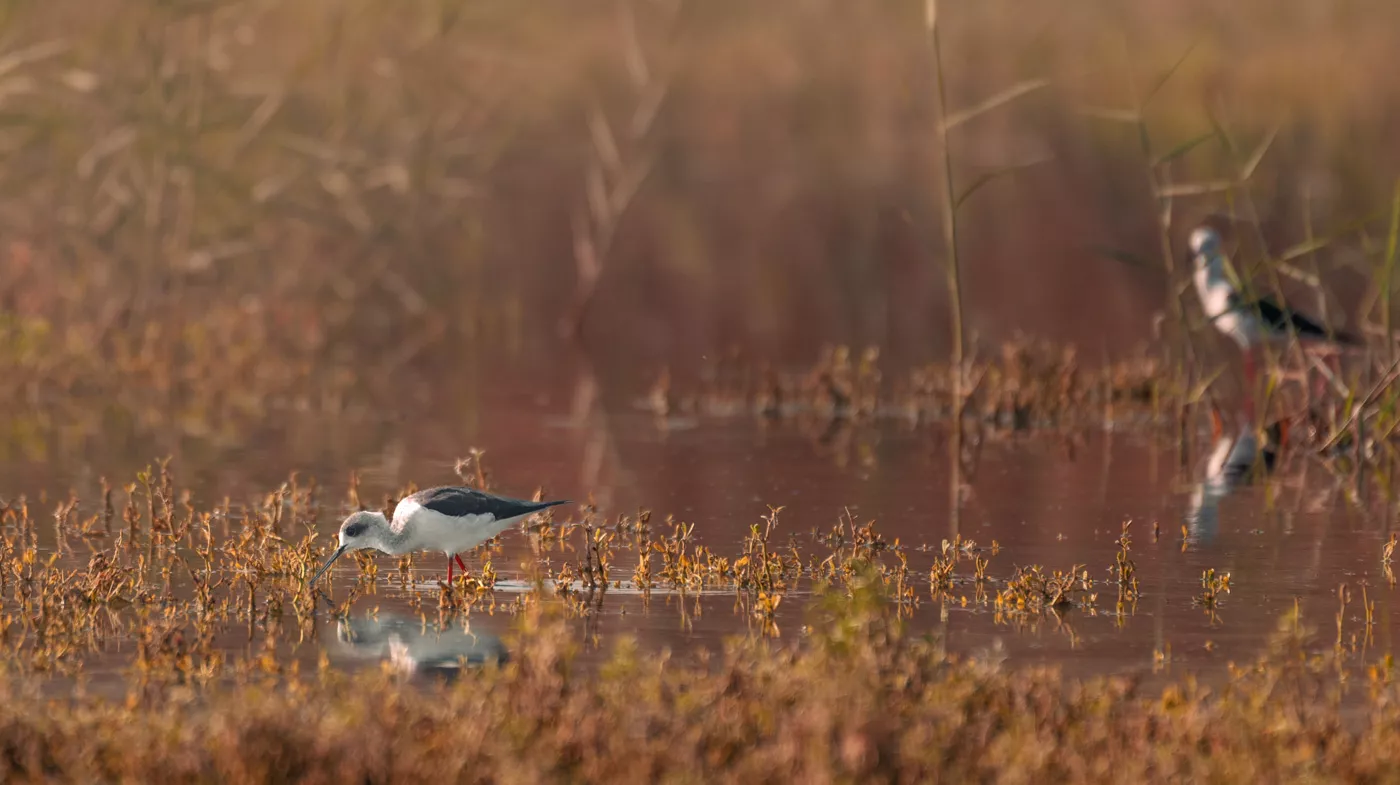
Birdlife observed in a wetland habitat.

Arabian oryx at the Shaybah Wildlife Sanctuary.
Life returning to the desert: Shaybah Wildlife Sanctuary
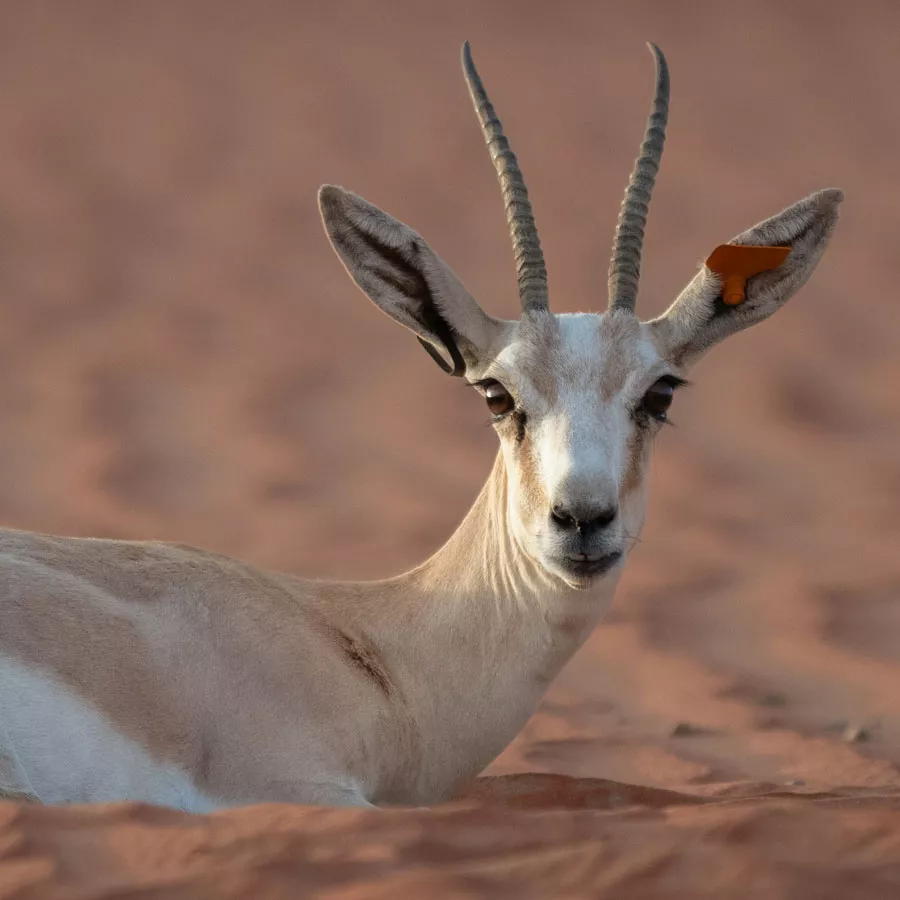
Sand gazelles in a protected desert environment.
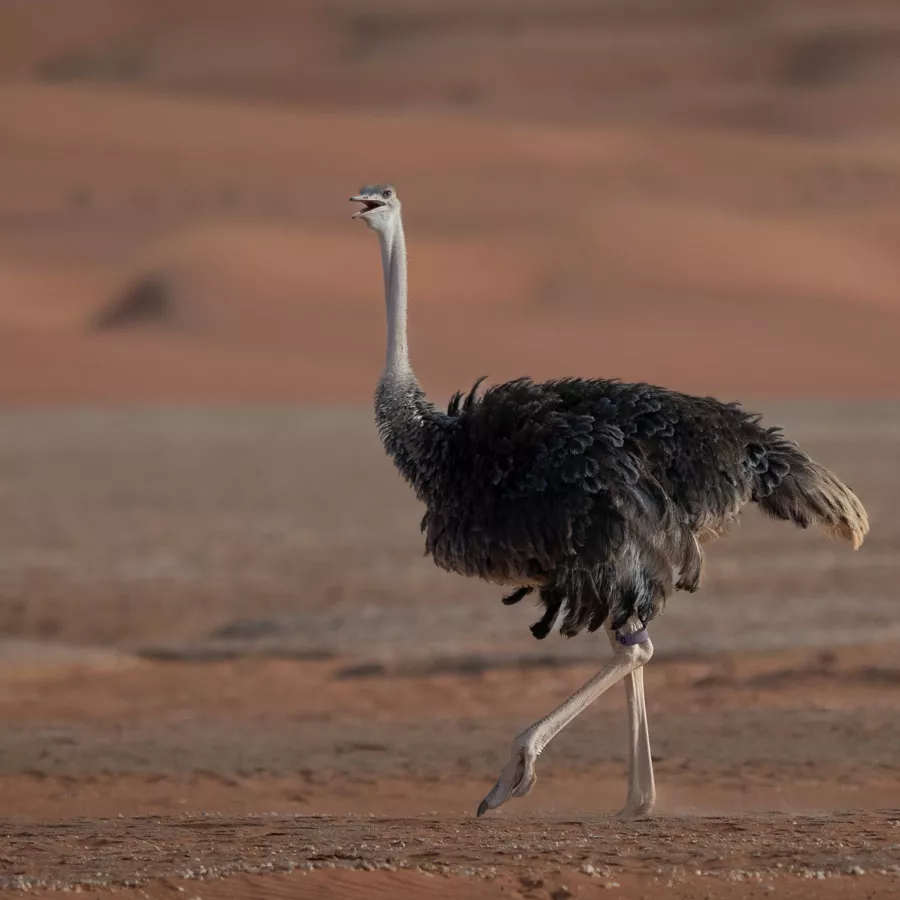
Red-necked ostrich at Shaybah Wildlife Sanctuary.
Part of a broader vision
We work towards conserving Saudi Arabia’s natural heritage and strengthening the vitality of its ecosystems for future generations through our BPAs.
Our biodiversity initiatives align with global and national frameworks, including the United Nations Sustainable Development Goals (SDGs) related to life below water and life on land. For instance, our BPA program aligns with SDG Targets ‘Conserve Coastal and Marine Areas’ and ‘Protect Biodiversity and Natural Habitats’. They also support the Saudi Green Initiative, which aims to expand protected areas, restore degraded ecosystems, and enhance biodiversity resilience across the Kingdom.
Our operating areas — including fenced lands, coastal zones, and offshore platforms — are home to threatened, endemic, and migratory species. By safeguarding these areas through designating them as BPAs, we not only support the protection of the Kingdom’s unique biodiversity but also contribute to the health of ecosystems and the communities that depend on them.
Through continued conservation efforts, we aim to ensure the Kingdom’s natural heritage endures, providing lasting benefits for both people and the environment.

Wetland landscape within a Biodiversity Protection Area.
The information in this article is provided for general informational purposes only and it reflects information available at the time of publication. It may be subject to change, and Saudi Aramco does not undertake any obligation to update or revise this content following publication.