
OGCI and OGDC: from ambition to action
Aramco is a co-founder of the Oil and Gas Climate Initiative (OGCI) and has helped advance the development of the Oil and Gas Decarbonization Charter (OGDC).
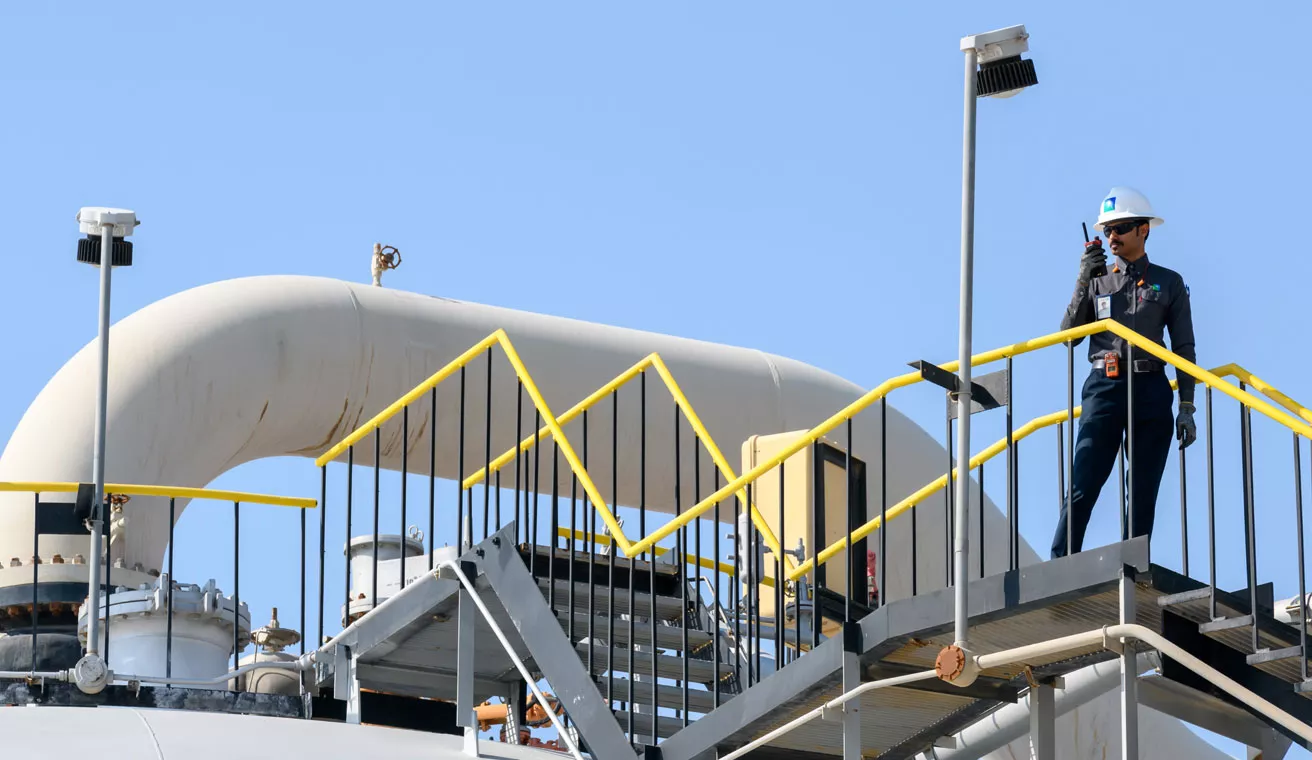
- Aramco is one of the 12 member companies of the Oil and Gas Climate Initiative (OGCI)
- We also advanced the development of the Oil and Gas Decarbonization Charter (OGDC), which facilitates knowledge-sharing between 56 global oil and gas companies with the aim of advancing lower-carbon innovation
- Through OGCI and OGDC, we collaborate with industry peers to share knowledge, research lower-carbon solutions, and support emissions reductions
As global energy demand continues to grow , working to help ensure affordable, reliable, and accessible energy is an important aim to support continued social and economic development worldwide. At the same time, supporting emissions reductions from the energy sector and continuing to research the deployment of lower-carbon solutions is important.
At Aramco, we strive to deliver safe and reliable energy while aiming to lower emissions through a range of initiatives and partnerships. One example is the Oil and Gas Climate Initiative (OGCI), which we co-founded in 2014 alongside others in the international oil and gas industry to help address operational greenhouse gas emissions and share best practices. OGCI is a voluntary, CEO-led coalition with a goal to reduce emissions from Upstream operations, with a focus on methane emissions and flaring along with carbon capture, utilization, and storage (CCUS) and low-carbon fuels.
What is OGCI?
OGCI’s membership is made up of 12 companies: Aramco, bp, Chevron, China National Petroleum Corporation (CNPC), Eni, Equinor, ExxonMobil, Occidental Petroleum, Petrobras, Repsol, Shell, and TotalEnergies.
Together, these companies bring a broad range of operational experience to the shared challenge of reducing emissions across the industry. OGCI members are targeting emissions reductions in their own operations, while also collaborating with partners across the industry, and in other sectors.
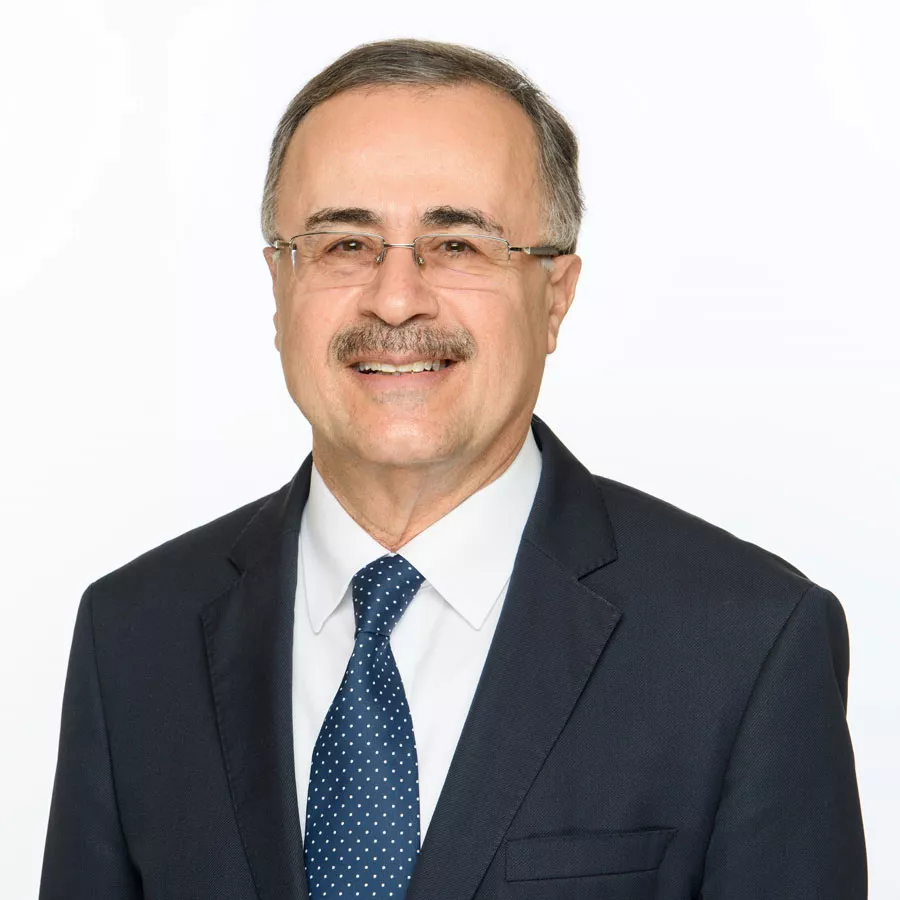
Aramco President & CEO Amin H. Nasser.
Aramco’s President & CEO, Amin Nasser, serves on the OGCI CEO Steering Committee, alongside CEOs from the organization's twelve member companies. The committee helps set the organization’s strategic vision and oversees the delivery of its lower-emissions ambitions.
Following the strategic direction set by the 12 CEOs, OGCI provides its members with a platform to share the latest knowledge and best practices on emissions measurement and reduction initiatives. OGCI’s workstreams help member companies discuss methodologies, improve transparency, invest in lower-carbon technologies, and embed accountability through reporting and verification. Many outcomes from these workstreams have been published as online resources for the broader industry, studies, research papers, and thought-leadership texts.
OGCI at a glance
Founded: 2014
Members: 12 energy companies representing about 25% of global oil and gas production
Focus areas: methane, flaring, carbon intensity, carbon capture, and transparency
Long-term ambition: 0.1% Upstream operated methane intensity by 2030 and eliminate routine flaring by 2030
Demonstrating emissions-reduction progress
Over the years, OGCI’s collaborative efforts combined with member companies’ own operational initiatives have demonstrated visible progress, exemplifying how shared ambition can translate into measurable action. Between 2017 and 2024, independently reviewed data shows that OGCI’s 12 member companies reduced aggregate Upstream-generated methane intensity by 62%, reduced routine flaring by 72%, and lowered Upstream carbon intensity by 24%.
Over the same period, OGCI’s member companies continued to invest in a range of lower-carbon technologies and solutions, including renewable energy technologies, carbon-efficient energy management, biofuels, and CCUS. In 2024 alone, OGCI members invested $30 billion in lower-carbon technologies and solutions, including projects, acquisitions, and research and development, bringing cumulative investment since 2017 to $125 billion.
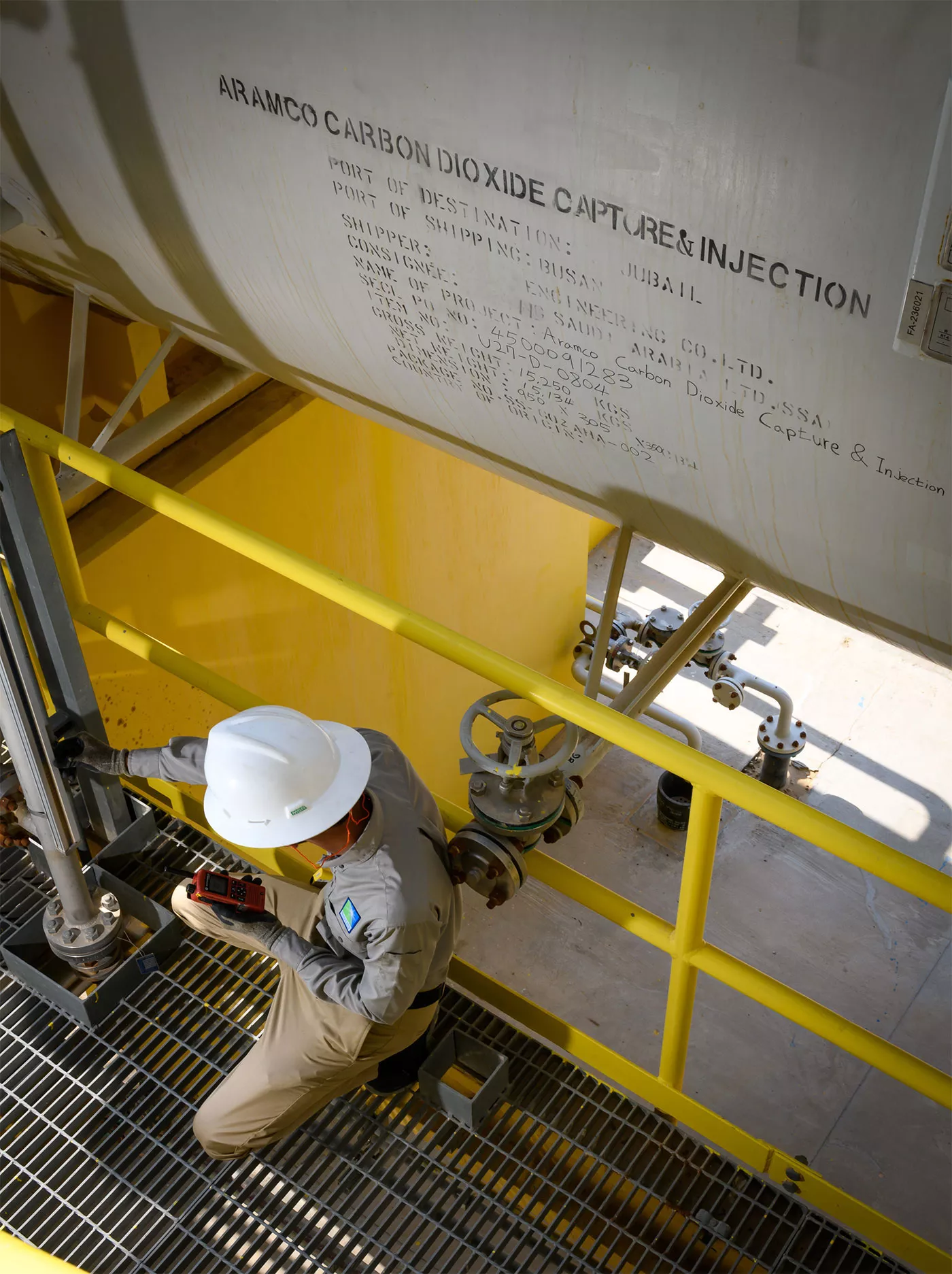
OGCI members are advancing CCUS projects globally.

OGDC brings together oil and gas companies to share knowledge and advance efforts to reduce operational emissions.
Continuing the momentum with OGDC
After a decade of leadership and achieving reductions in methane emissions and flaring, the next step for OGCI was to extend that momentum across a broader and more diverse group of operators.
In 2023, Aramco advanced the development of the Oil & Gas Decarbonization Charter (OGDC) at COP28, where our President and CEO, Amin Nasser, was designated as one of the three CEO Champions of the OGDC, alongside the CEOs of Abu Dhabi National Oil Company (ADNOC) and TotalEnergies.
OGDC is built on many of OGCI’s core beliefs — data transparency, emissions reduction, and capacity building — while expanding its reach worldwide.
Aiming for near-zero methane emissions
Even as the reach of industry collaboration expanded through OGCI, methane remained one of the most urgent areas of focus for the energy industry. Therefore, in 2022, OGCI expanded its methane-reduction efforts by launching a new and separate initiative called the Aiming for Zero Methane Emissions Initiative, calling on the oil and gas industry, including companies not part of the OGCI, to treat methane emissions with a similar seriousness to safety. This initiative’s ambitions include near-zero methane emissions from operated assets and zero upstream routine flaring by 2030.
As of August 2026, the Aiming for Zero Methane Emissions Initiative has attracted nearly 100 signatories, including private and state-run energy companies, as well as supporters such as service firms, technology providers, NGOs, and consultancies. Signatories have pledged to implement all reasonable measures, including innovative solutions, to prevent methane venting and flaring, repair detected leaks, report their annual methane emissions transparently, and support robust methane regulations.
This initiative builds on OGCI’s existing efforts to address methane emissions. OGCI’s Satellite Monitoring Campaign (SMC) is a flagship initiative designed to detect, quantify, and help reduce methane emissions from oil and gas operations worldwide. Launched in 2021, the campaign promotes the use of high-resolution satellite technology to identify some emission sources and works directly with operators to abate methane emissions by providing technical support.
In 2025, OGCI launched the Methane Library, a centralized, free, and updated repository containing over 300 resources to help oil and gas companies measure, report, and reduce emissions. The digital library includes up-to-date information on detection methods, tools for quantifying and assessing emissions, guidelines and proven industry best practices, and regulatory frameworks.
Aramco’s journey and impact
As a founding member of OGCI, and with Aramco President & CEO, Amin Nasser, serving as one of the three CEO Champions of OGDC, our proactive engagement has supported innovative research and the advancement of lower-carbon technologies such as bio-based marine fuels, lower-carbon aviation fuels (LCAF), and carbon capture, utilization, and storage (CCUS). We also support OGCI’s Carbon Accounting Initiative, which is researching possible standardized methods for measuring, verifying, and reporting greenhouse gas emissions, carbon intensity, and methane metrics across oil and gas operations.
Our efforts include reducing flaring and methane emissions across our operations while aiming to improve energy efficiency. These efforts support our ambition to achieve net-zero Scope 1 and Scope 2 greenhouse gas emissions across our wholly owned operated assets by 2050. Through our $1.5 billion Sustainability Fund, operated by Aramco Ventures, we are investing in technologies that support the energy transition, including direct air capture, hydrogen, and renewables.
Our Upstream carbon intensity remains among the lowest compared with industry peers on a per-barrel-of-oil-equivalent basis. In 2025, it stood at 10.0 kilograms of CO2 per barrel of oil equivalent. This performance reflects an approach that combines careful reservoir management with energy efficiency, technology deployment, and targeted programs to manage methane emissions and flaring.
Below ground, advanced reservoir modeling, well-placement technologies, and optimized drilling routes help limit the production of unwanted associated water. This reduces the energy required — and the emissions generated — to lift, treat, and reinject that water.
Above ground, we focus on using energy more efficiently and reducing emissions from production facilities. Measures include energy-management systems, cogeneration, more efficient equipment, and flare gas recovery systems that capture gases that might otherwise be flared and direct them toward productive use.
Methane is addressed through an approach that combines prevention, monitoring, detection, and repair. In 2025, we maintained an Upstream methane intensity of 0.04%, contributing to achieving OGCI’s collective 2025 ambition of ‘well below 0.20%.’ Alongside field-based programs, we partner with technology companies to deploy satellites capable of detecting and quantifying greenhouse gas emissions from point sources as small as individual oil and gas wells.
Collaboration as a framework
For over a decade now, OGCI has acted as a catalyst for accelerating emissions reductions, driving lower-carbon innovation, and advancing robust performance and reporting standards across the energy sector. OGDC, meanwhile, has extended that collaborative model to a broader and more diverse group of companies.
With these foundations in place, both initiatives are now focused on translating ambitions into further action. In March 2026, the 12 OGCI CEOs issued a joint statement looking ahead to 2030, highlighting their intentions to stay the course and continue advancing lower-carbon solutions: “After a decade of successful outcomes, OGCI has laid strong foundations for its next chapter: an action-oriented agenda through to 2030. The global context of today’s energy landscape highlights the importance of OGCI.”
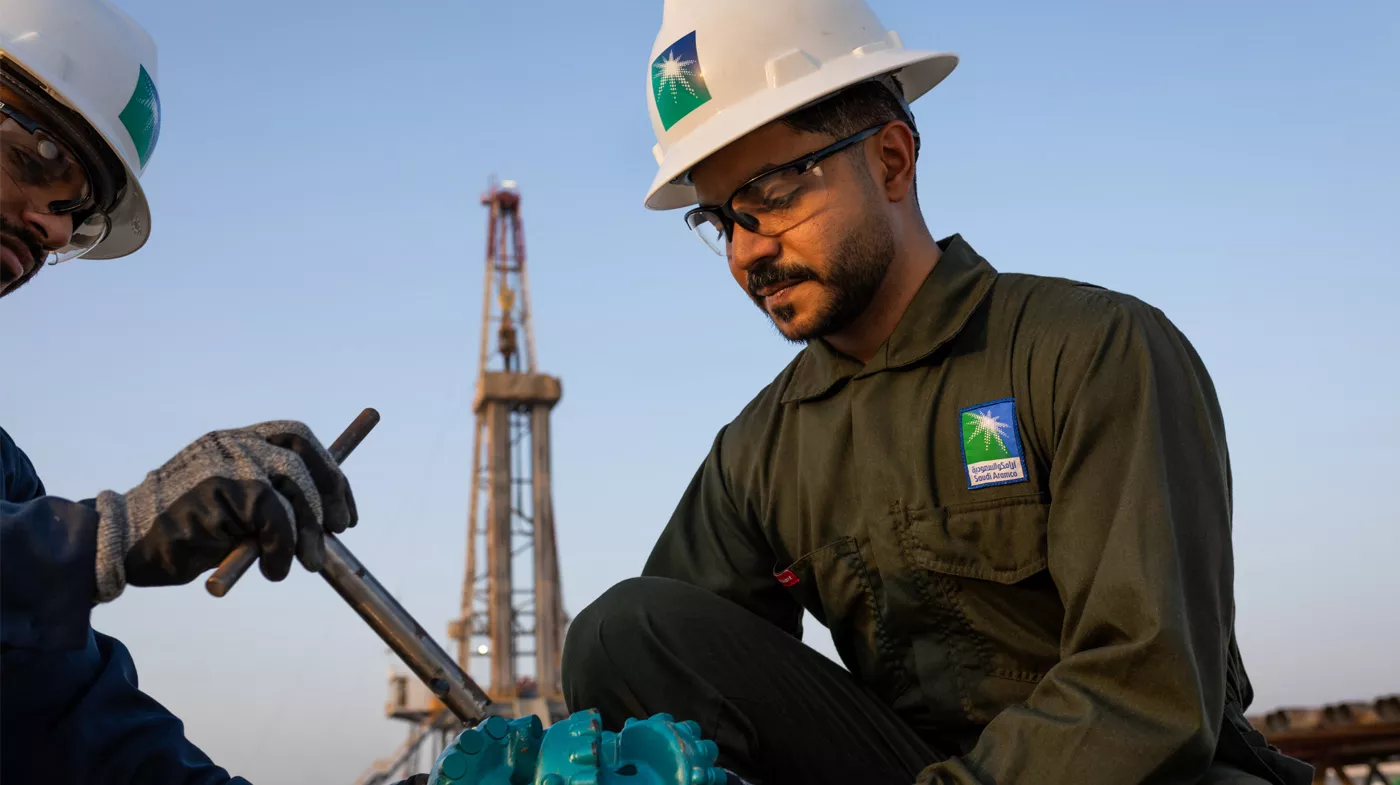
Collaboration through OGCI and OGDC is key to advancing lower-carbon emissions efforts across the industry.
More from Elements

The information in this article is provided for general informational purposes only and it reflects information available at the time of publication. It may be subject to change, and Saudi Aramco does not undertake any obligation to update or revise this content following publication.