
Strategy flows toward natural gas
Reserving crude oil for better economic use.
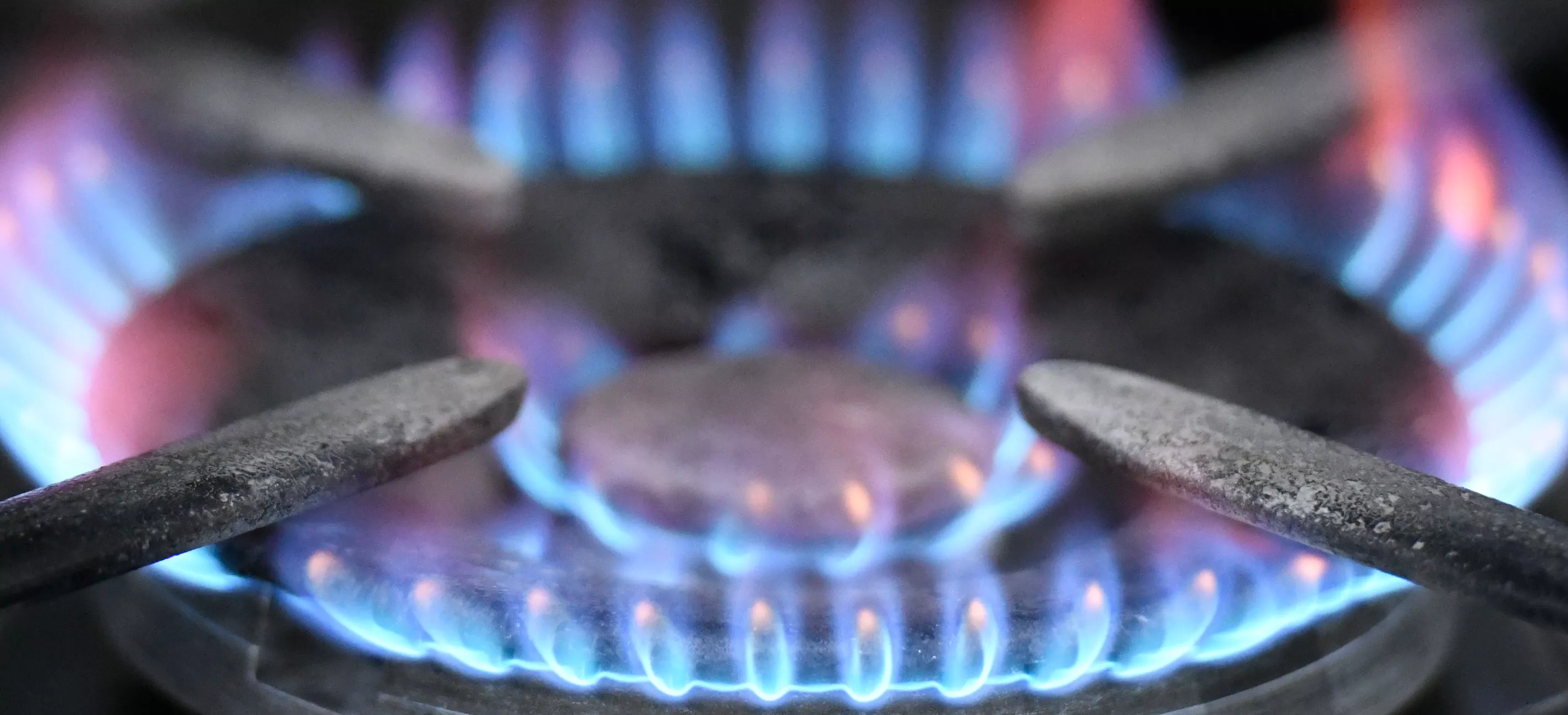
- Aramco is working to help lighten the world’s carbon footprint by building an international natural gas business
- As of the end of 2019, the Kingdom has proven gas reserves of 237.4 trillion standard cubic feet
- Using gas for power generation and in local industrial sectors is important for the country’s Energy Transition
By 2030, Aramco plans to be among the world’s top three natural gas producers and export gas for the first time. To meet future global and domestic energy demand, the Company’s gas production is expected to double in the coming decade to 23 billion standard cubic feet per day (scfd).
As of December 31, 2019, Saudi Arabia had proven natural gas reserves of 237.4 trillion standard cubic feet. Through the same year, Aramco produced 9.0 billion scfd of natural gas from its portfolio of 510 reservoirs, within 138 fields.
In addition, during 2018, Saudi Arabia was the country with the seventh highest natural gas demand globally, driven by the Kingdom’s program to diversify its energy away from crude oil and liquids for power generation. Low-cost clean feedstock is needed for ongoing expansions in the country’s petrochemicals and power industries.
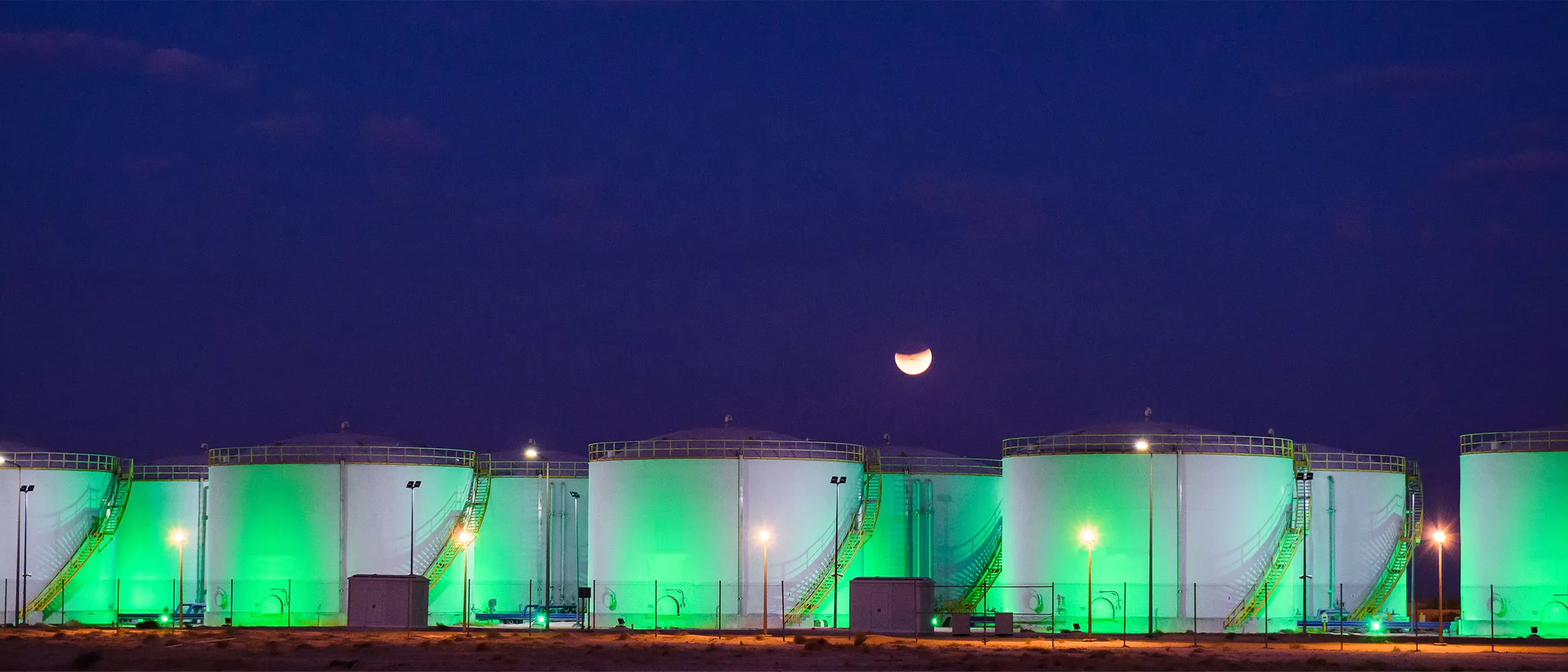
Gas tanks at an Aramco facility.
With extensive high-quality gas reserves, and exclusive access to its large and growing domestic marketplace, a significant portion of Aramco’s current exploration activities relate to gas. Increased gas production is predicted to come from planned infrastructure increments to current projects and the development of large untapped gas reserves not associated with oil production, such as unconventional gas fields in the Kingdom’s north.
Dual challenge to grow but reduce
For decades, energy produced by oil and gas companies has helped grow economies and lift people out of poverty. Aramco’s Vice President of Gas Operations, Abdullah M. Al-Ghamdi, says there is a dual challenge now to continue to meet growing energy demands, but at the same time reduce greenhouse gas emissions.
“Over time, Aramco is seeking to develop an integrated global gas portfolio,” said Al-Ghamdi.
"Aramco is pursuing investment and joint venture opportunities outside the Kingdom in natural gas and LNG projects,” he noted.
Natural gas in energy transition
Climate change is propelling demand for lower-carbon intensity fossil fuels like natural gas. The transition to a more-sustainable energy system for our planet is complex, and has no singular or 'quick switchover' answers.
Most agree that getting coal use out of electrical grids is important for solving the complex problem of reducing emissions. Renewables, including nuclear power, are vital part of the answer — especially for regions currently without power grids.
Natural gas is simply methane
Natural gas is a lower-carbon energy source. It consists primarily of methane, which, at its molecular core, is simply just one carbon atom surrounded by four hydrogen atoms (CH₄).
Methane production, however, requires thoughtful expertise, as its uncontrolled emission to the atmosphere contains more greenhouse gas warming potential than carbon dioxide. With a 2018 methane intensity of 0.06%, Aramco’s methane emissions are among the lowest in the industry.
Saudi gas development
In 1975, the Company decided to build a Master Gas System (MGS) to collect natural gas and harness it for the Kingdom’s local energy mix.
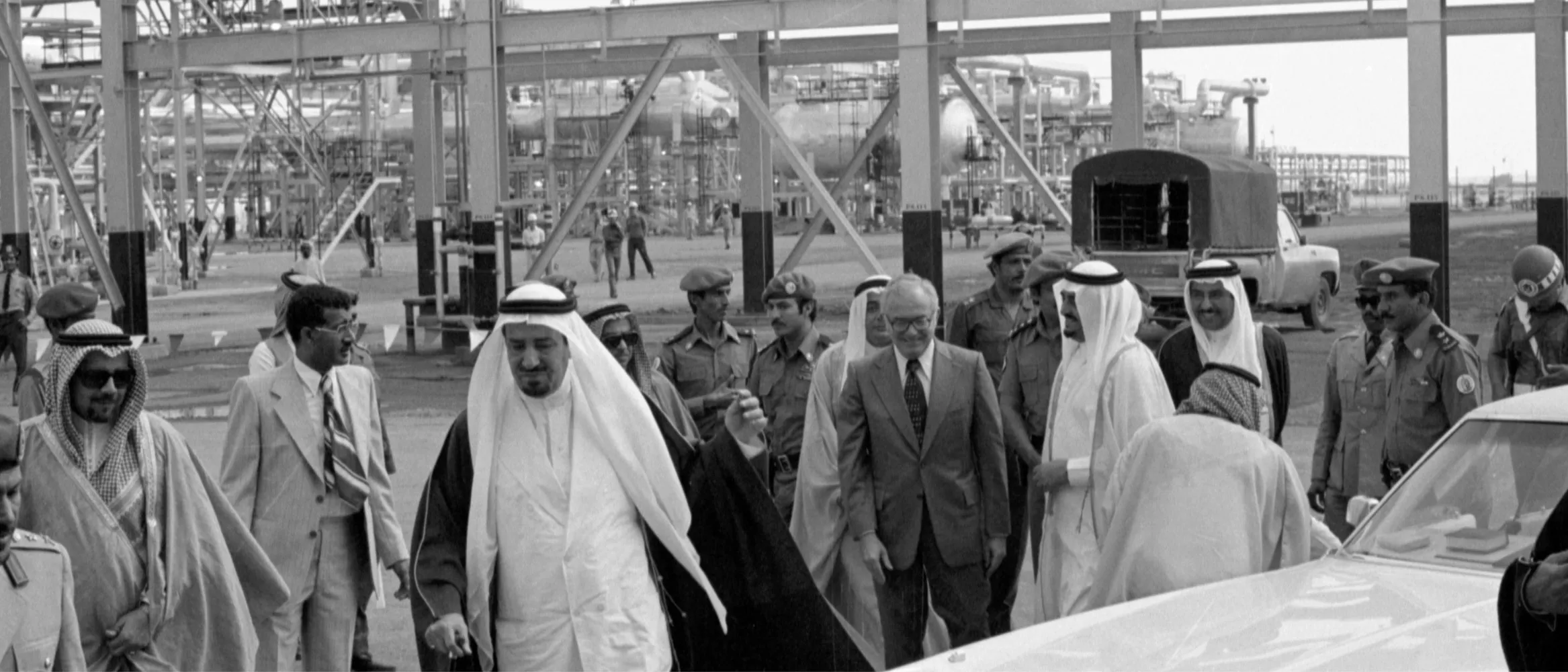
King Khalid ibn ‘Abd Al-‘Aziz Al Sa’ud inaugurated the first MGS facility, the Berri Gas Plant, in 1977.
The decision taken 45 years ago represented a giant leap in Saudi Arabia’s industrial development, and allowed crude oil to be reserved for higher value uses. Growing domestic demand has seen significant growth of the MGS, and in 1984 Aramco began developing the Kingdom’s nonassociated natural gas reservoirs.
Regulatory approval for the Company to develop its largest nonassociated gas field to date was granted in February of this year. The Jafurah unconventional gas field in the Eastern Province spans 17,000 square kilometers, and has an estimated resource of 200 trillion cubic feet of rich raw gas.
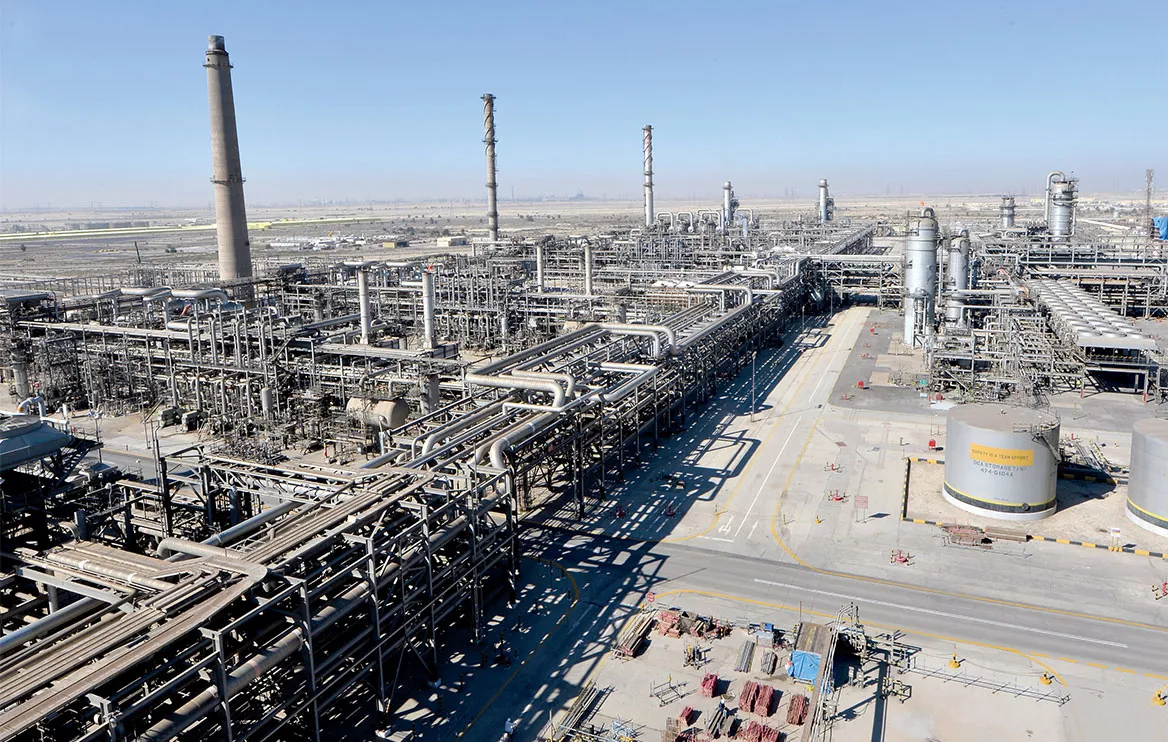
Aramco understood the importance of gas 45 years ago, and as of mid-2020, operates 10 gas processing plants — Berri, Shedgum, ‘Uthmaniyah, Hawiyah, Haradh, Khursaniyah, Wasit, Midyan, Fadhili, and North Arabia. The gas processing facility North Arabia, located in northern Saudi Arabia is the first unconventional asset in that area of the Kingdom, with processing capacity of 400 million scfd.
More from Elements
The information in this article is provided for general informational purposes only and it reflects information available at the time of publication. It may be subject to change, and Saudi Aramco does not undertake any obligation to update or revise this content following publication.